
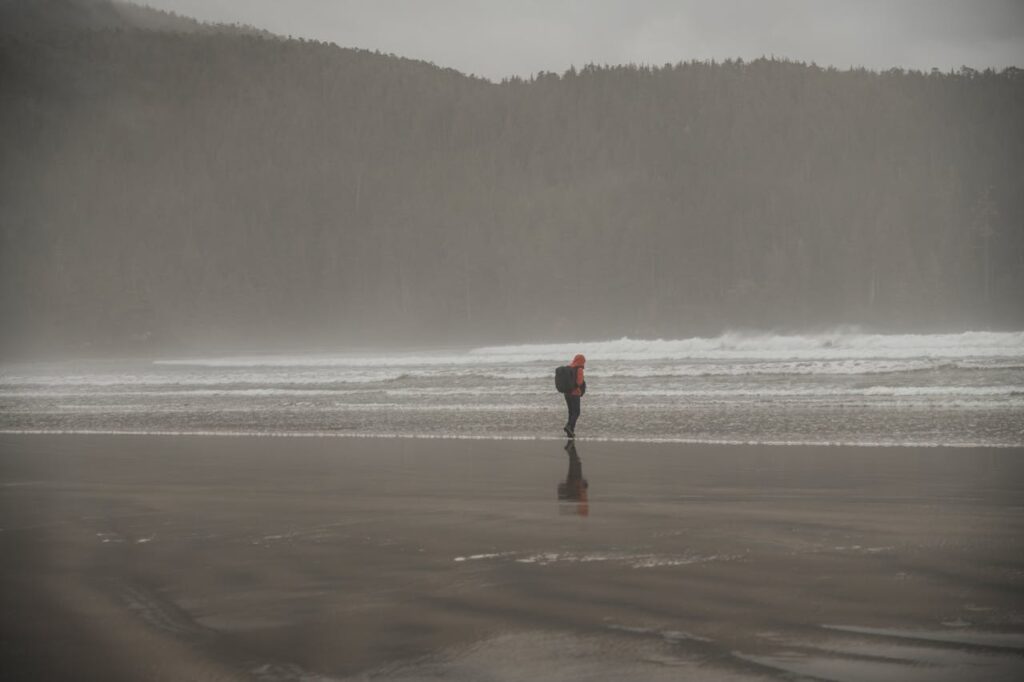
Wet Weather Emergency Preparedness: Gear You Actually Need
When the skies open up and the ground turns to soup, your gear becomes the difference between staying safe and getting soaked, sick, or stranded. Wet weather emergency preparedness gear is essential for navigating flash floods, hurricanes, or prolonged storms.
You need a layered, waterproof strategy that protects your essentials, your mobility, and your morale. This guide breaks down the gear that actually works in real-world conditions, from waterproof storage and breathable rainwear to shelter, navigation, and even dog-friendly options. Because once you’re cold, wet, and fumbling for ruined supplies, it’s already too late.
Before we dive in, just a quick note: some of the links in this article are affiliate links. That means if you decide to buy something through one of them, we may earn a small commission, at no extra cost to you. It helps support the site and keeps the content free and honest.
Core Categories of Wet Weather Gear
1. Waterproof Storage Systems
Your gear is only as good as its protection. Moisture ruins meds, electronics, documents, and morale.
Dry Bags: Use at least two—one for critical items (meds, documents, electronics) and one for clothing or food.
Ziploc + Dry Bag Combo: Double-seal important papers and small electronics. Overkill is underrated.
Contractor Trash Bags: Cheap, tough, and versatile. Use as pack liners or emergency ponchos.
2. Rain Gear That Works
Not all rain gear is created equal. Breathability, seam integrity, and packability matter.
Ponchos with Mylar Lining: Combines waterproofing with thermal retention. Ones like Prepared4x Emergency Poncho help keep you dry without weighing you down.
Breathable Rain Jackets & Pants: Look for taped seams and vented designs to avoid sweat-soaked misery.
Gaiters & Waterproof Boots: Keep feet dry and blister-free. Wet socks are morale killers.
3. Insulation & Clothing
Wet weather often means cold weather. Hypothermia can sneak up fast.
Thermal Base Layers: Synthetic or wool—never cotton.
Extra Socks & Gloves: Pack multiples in waterproof bags.
Backup Top Layer: Even if it’s just a fleece, dry warmth is life-saving.
4. Navigation & Visibility
Rain reduces visibility and distorts terrain. Stay seen and stay on course.
Headlamp with Waterproof Rating: Hands-free and reliable.
Reflective Tape or Piping: On packs, ponchos, or jackets for low-light visibility.
Waterproof Maps & Compass: Electronics fail. Analog doesn’t. Waterproof compasses like AOFAR Military Compass help keeps you moving in the right direction
5. First Aid & Safety
Wet environments increase injury risk—slips, cuts, and infections.
Trauma Kit: Include waterproof bandages and antiseptics.
Waterproof Gloves: For treating wounds or handling debris.
Hand Warmers: Lightweight morale boosters and frostbite prevention.
6. Food, Water & Power
You may be stuck for days. Plan for 72 hours minimum.
Waterproof Food Storage: Vacuum-sealed or dry bagged.
Water Filtration System: Floods contaminate everything.
Power Bank (IP-rated): Keep phones and radios alive get something like the Blavor Power Bank to help keep items charged up when it counts.
7. Shelter & Cover
If you’re mobile or your home is compromised, shelter matters.
Emergency Bivvy or Tarp: Lightweight, waterproof, and multi-use.
Tent with Rainfly: If you’re camping or evacuating.
Space Blanket: Compact and effective for warmth and cover.
Pro Tips for Wet Weather Readiness
Test Your Gear in the Rain: Don’t wait for a crisis to find out your “waterproof” jacket leaks.
Pack Modularly: Group items by function and seal them separately.
Keep Your Pack Off the Ground: Use carabiners or hang systems to avoid puddle saturation.
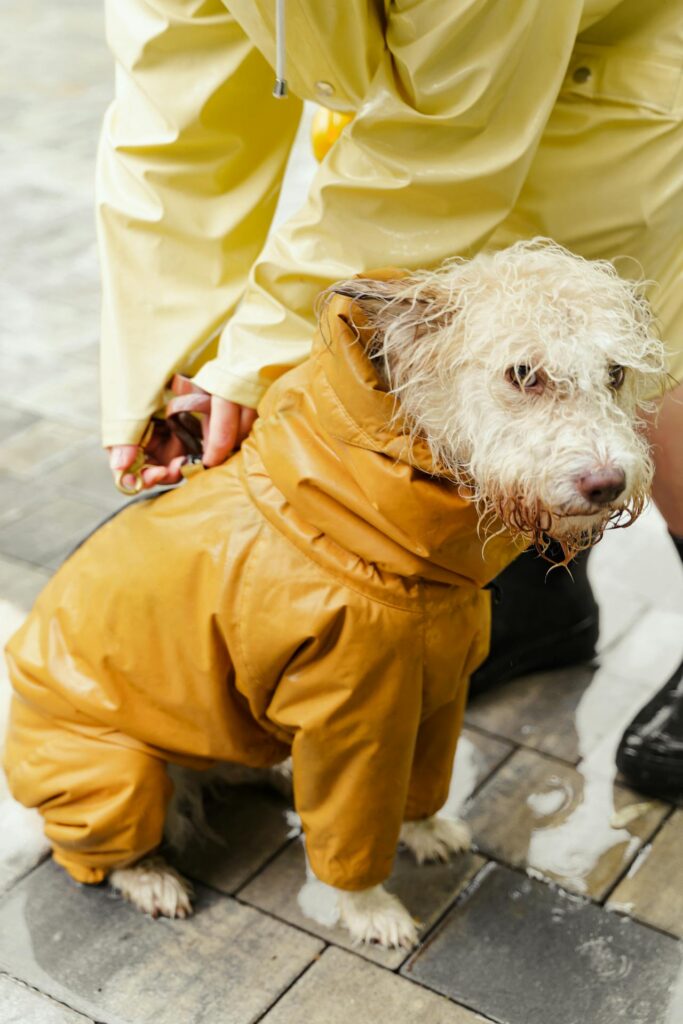 Bonus: Don’t Forget the Dog
If your four-legged companion is part of your bugout plan:
Waterproof Booties
Dry Bag with Food, Meds, and Towel
Wet weather emergencies aren’t just inconvenient, they’re dangerous. Build your kit now, while the sun’s still shining. Because once you’re cold, wet, and fumbling for a soaked flashlight or ruined meds, it’s too late.
Need more guides? Check out our other articles.